
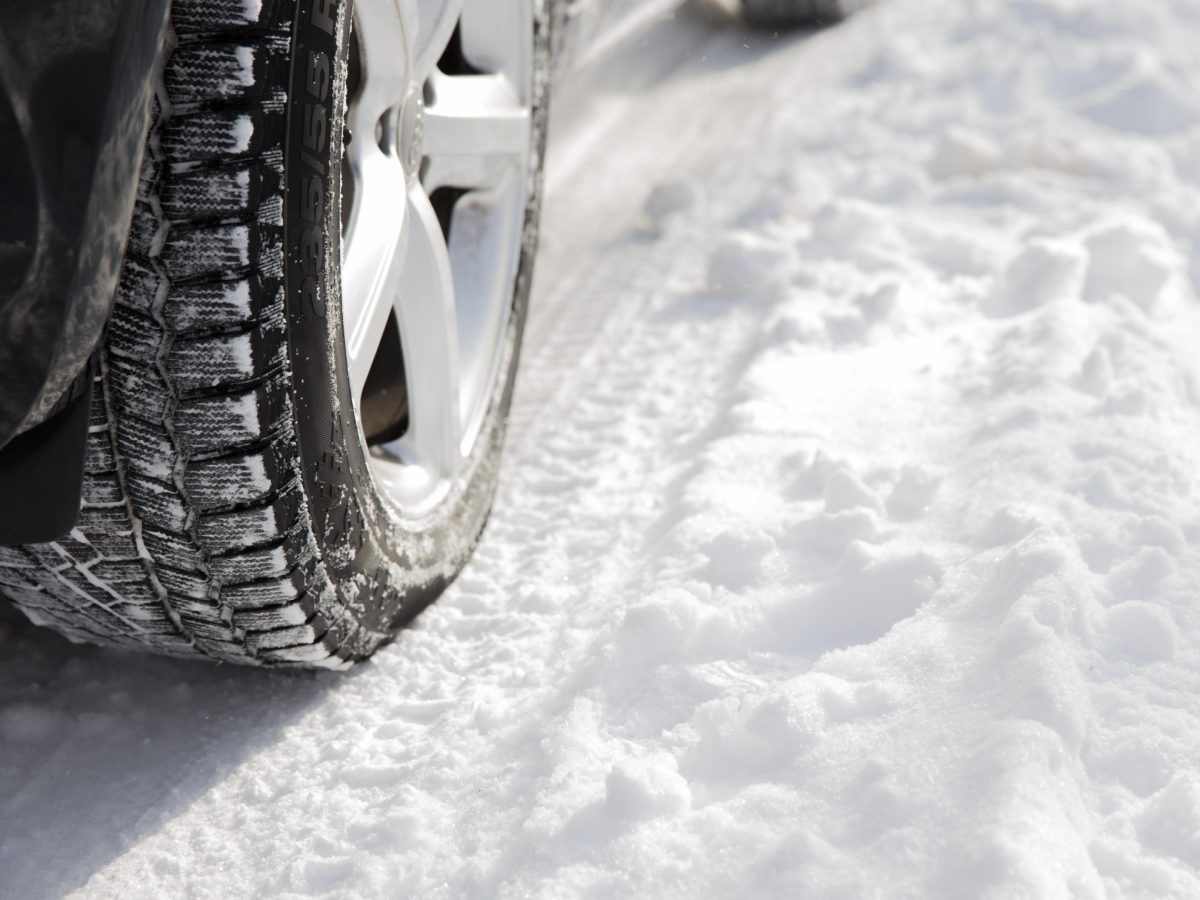
The recent heavy snowfall and icy conditions across parts of Europe, including the Netherlands, have turned roads into challenging environments for drivers. Many vehicles on the road are equipped with all-season or even summer tires, which are not designed for snow and ice. This combination increases the risk of accidents, making cautious driving and preparation essential.
At Car Travel Docs, we provide the official European Accident Statement forms in multiple languages, so if the unexpected happens, you are ready to document any incident correctly. But the best strategy is always to prevent accidents before they occur.
Adjust Your Driving Strategy for Snow and Ice
- Slow Down and Increase Following Distance
Snow and ice drastically reduce traction, which means braking distances increase significantly. Maintain a larger gap between your car and the vehicle ahead to give yourself more time to react. - Gentle Acceleration and Braking
Sudden movements can easily cause your car to skid. Accelerate slowly and brake gently, giving yourself more control. If your car has ABS (Anti-lock Braking System), apply steady pressure to the brake rather than pumping it. - Steer Smoothly
Avoid sharp turns. When you need to turn, steer slowly and deliberately to maintain stability. Overcorrecting can cause loss of control, especially on icy patches. - Know How to Handle Skids
If your car begins to skid, remain calm. Take your foot off the accelerator and steer gently in the direction you want to go. Avoid braking hard unless necessary. - Prepare Your Vehicle
Even if you don’t have winter tires, make sure your car is equipped with sufficient antifreeze, a fully charged battery, and that windshield wipers and lights are fully functional. Carrying an ice scraper, snow brush, and warm clothing can make a big difference if you get stuck.
What to Avoid
- Do not tailgate or make aggressive maneuvers – mistakes are costly in icy conditions.
- Avoid unnecessary trips – if the road is extremely icy or snow-covered, consider postponing your journey.
- Avoid relying solely on technology – systems like ESP and ABS help, but they cannot defy the laws of physics.
Driving in winter conditions requires patience, awareness, and preparation. By adjusting your driving habits, equipping your car properly, and being ready with essential tools like the European Accident Statement forms, you can stay safer on the road.
At Car Travel Docs, we help ensure that if the unexpected happens, you have all the right documents in multiple languages to handle the situation correctly. Stay safe, drive carefully, and always respect winter road conditions.